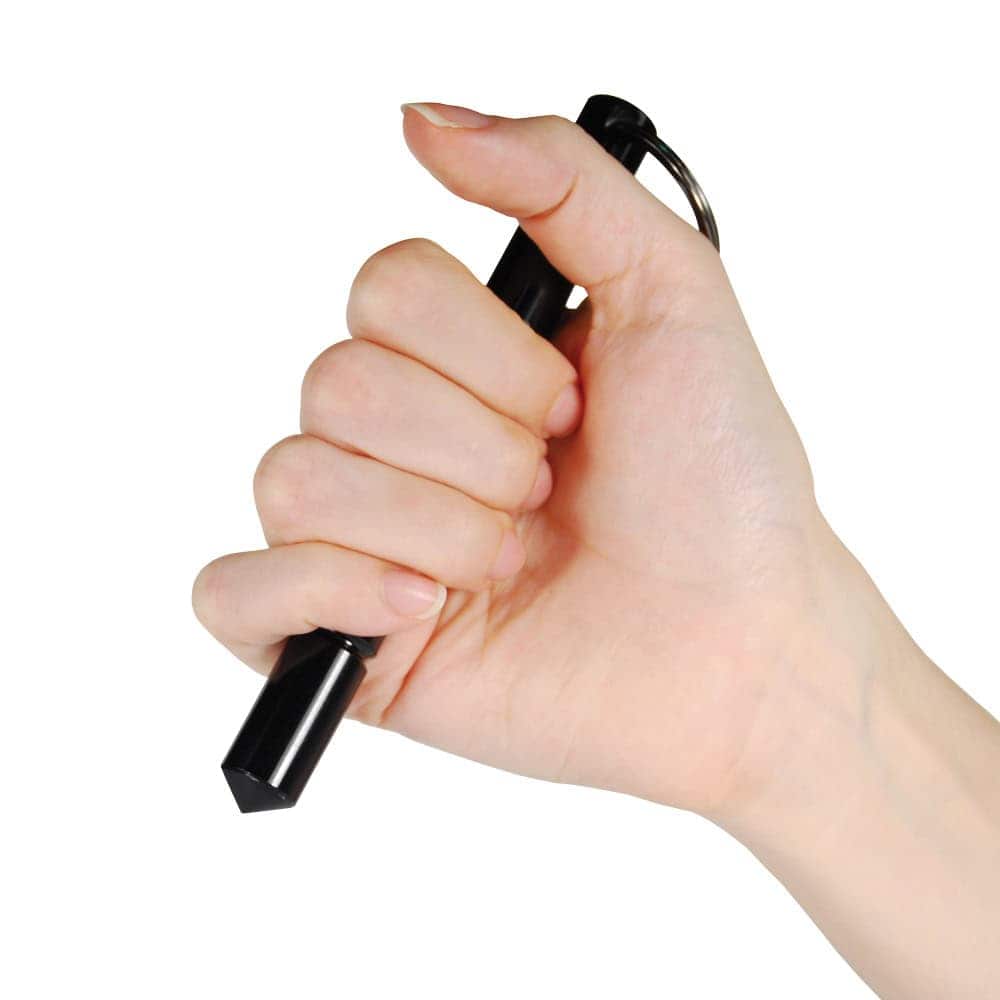
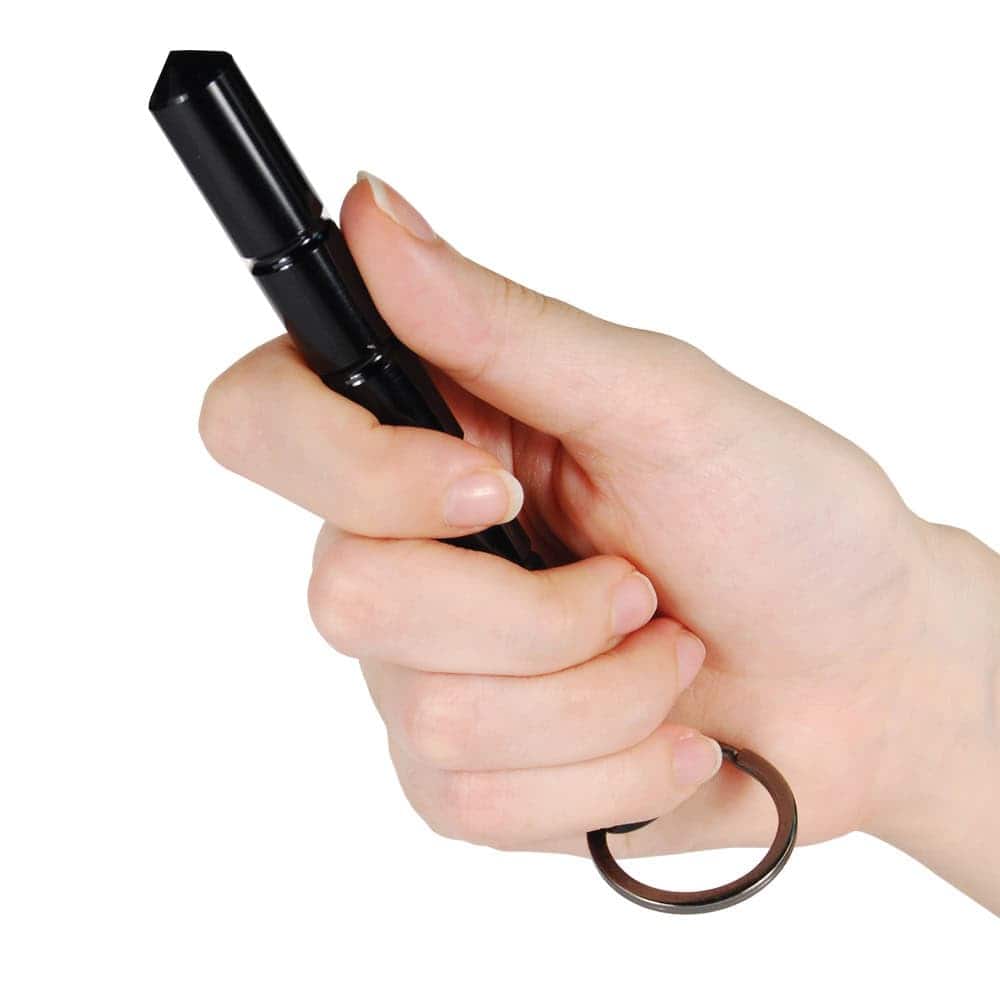
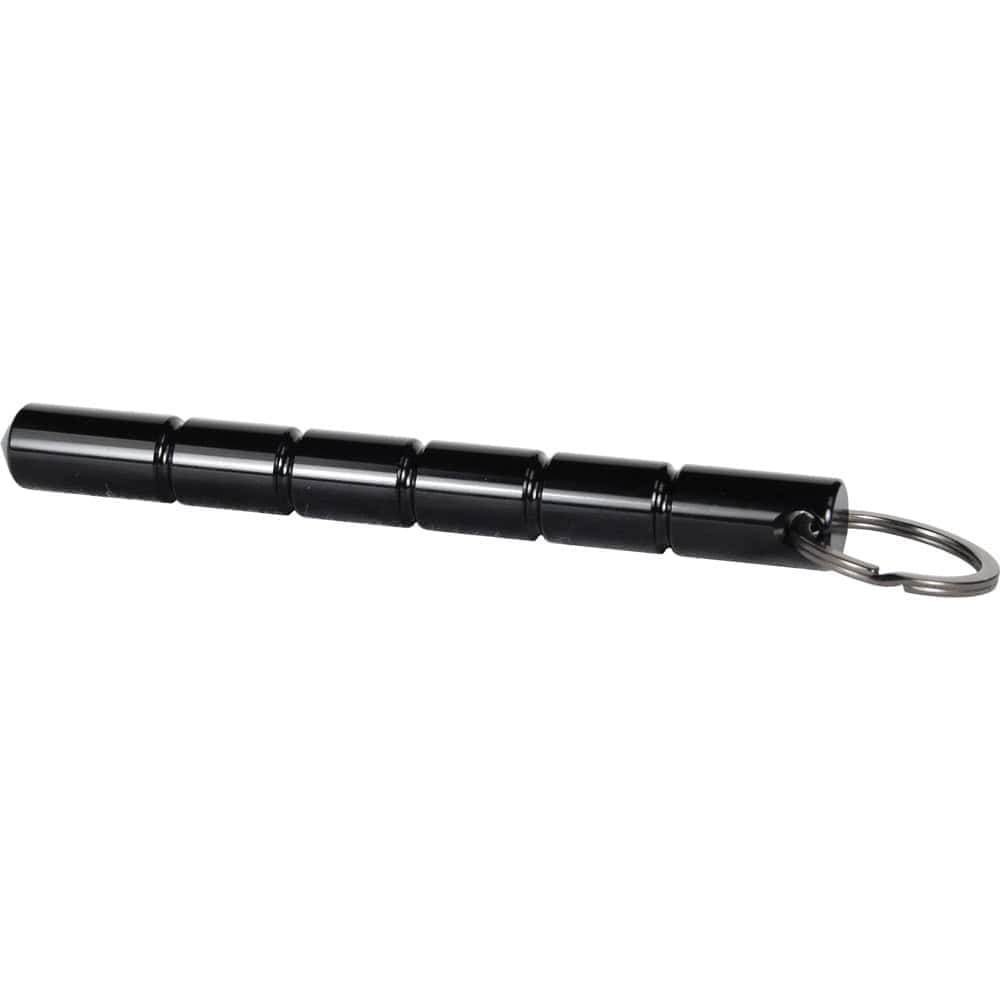
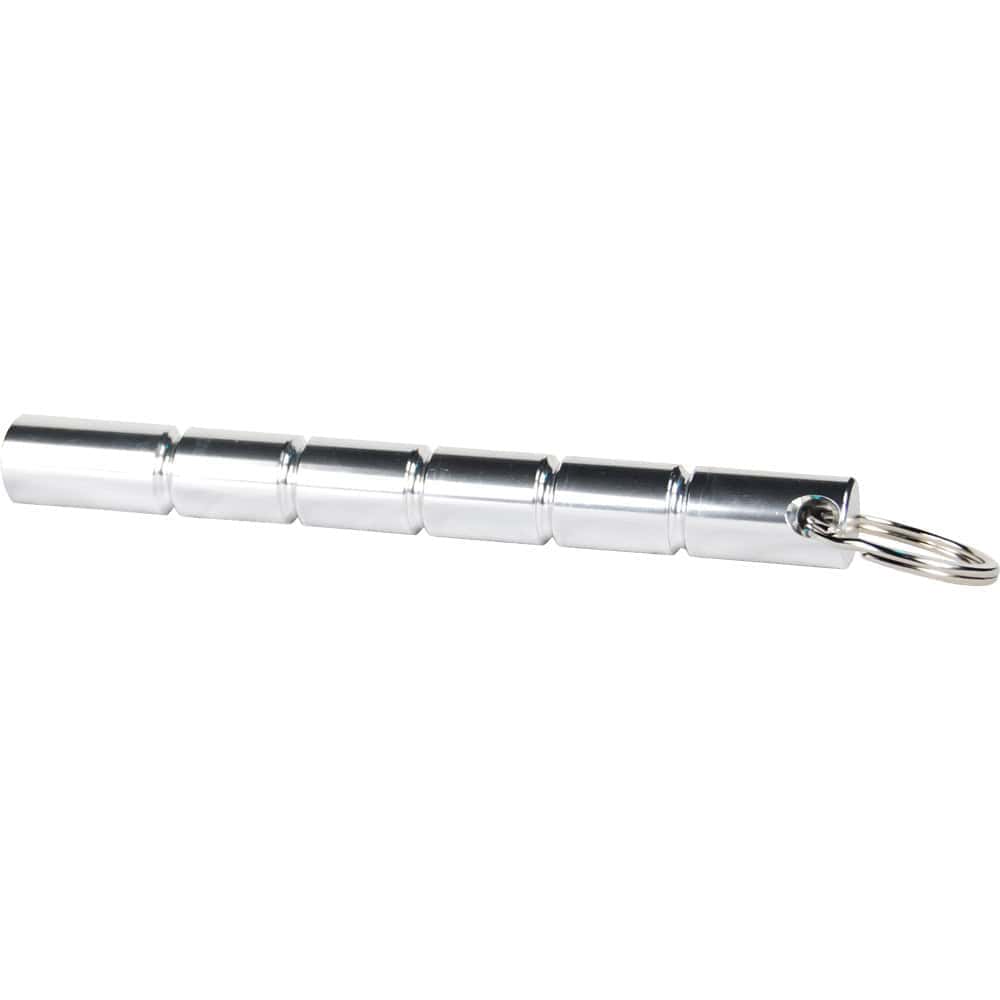
Kubotan Keychain Self-Defense Stick – Aircraft Grade Aluminum, 5.5″ x 0.5″, Keyring Included, Lightweight at 0.17 lbs, Black, Red, and Silver Colors Available
$10.00
Buy with Confidence
Covered by a 30-Day Money Back Guarantee. If it's not right for you, returns are easy and hassle-free.

Secure checkout • 100% Satisfaction Guaranteed • 30 Day Money Back Guarantee • Easy Returns • Fast Customer Support
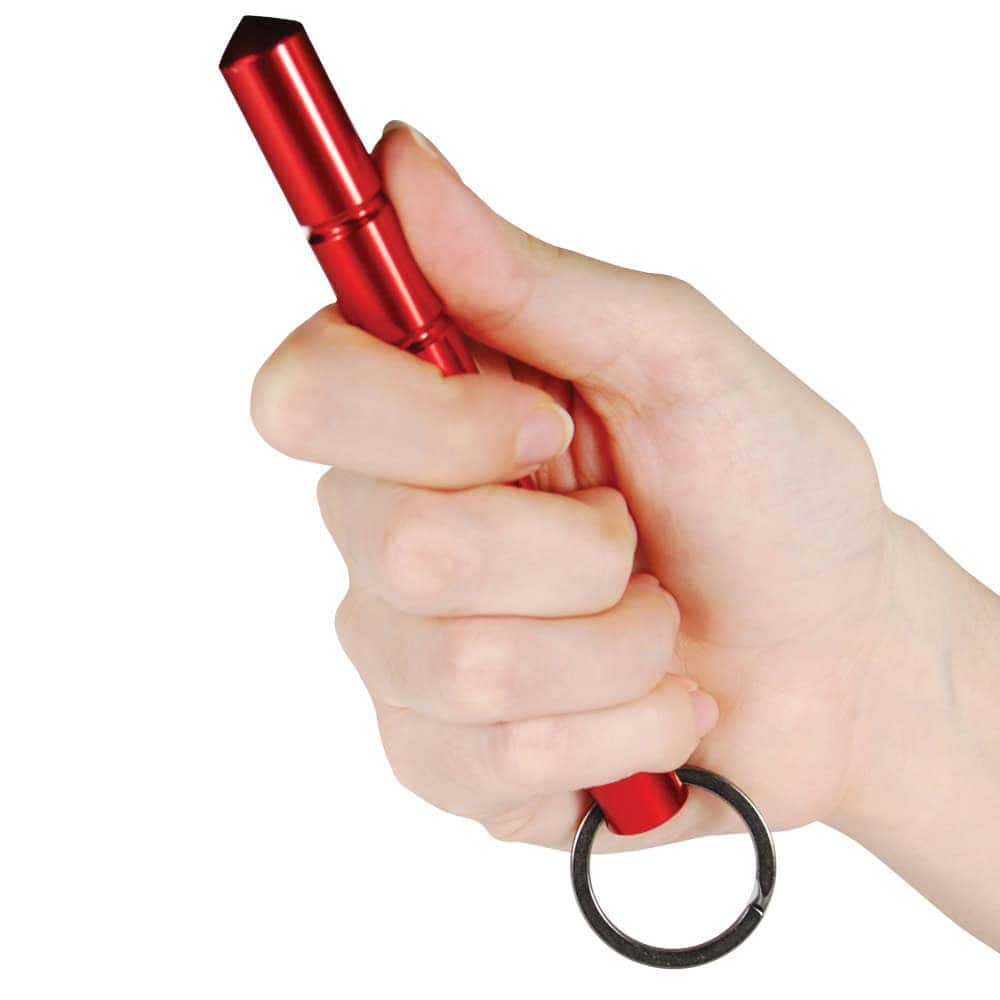
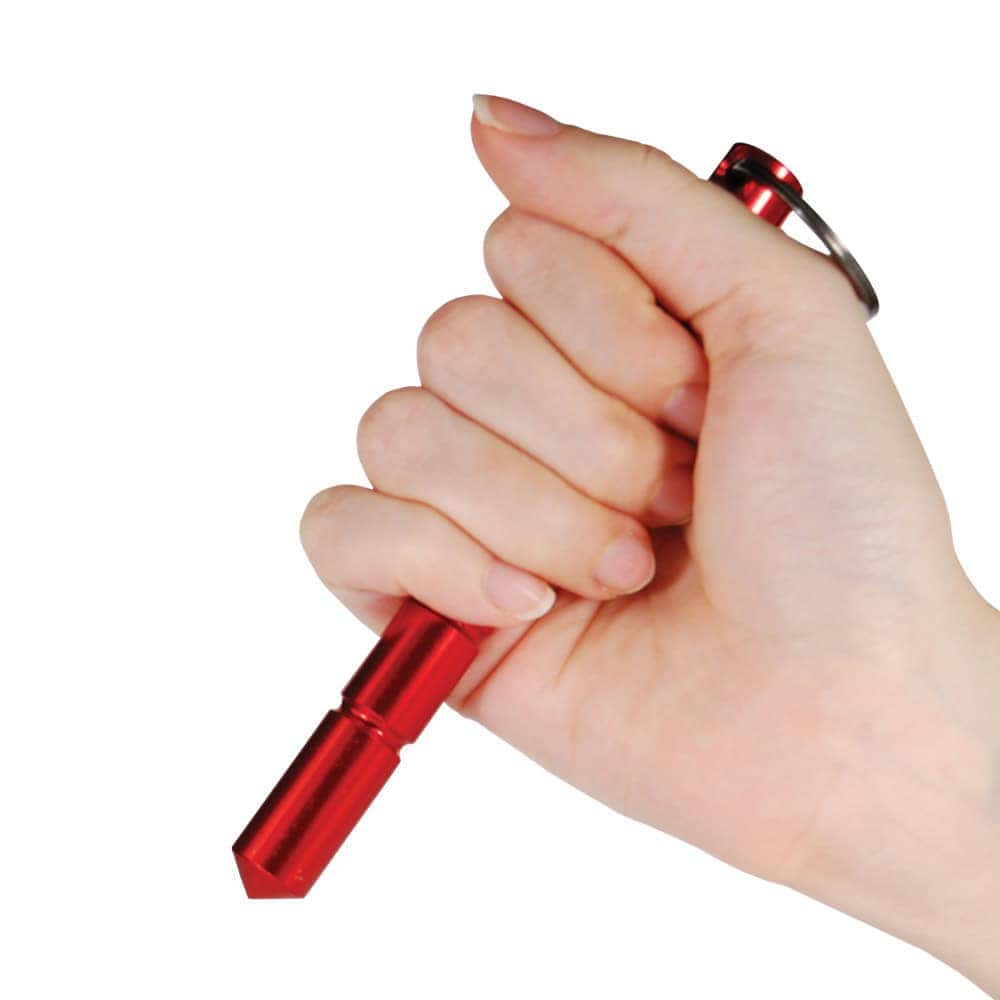
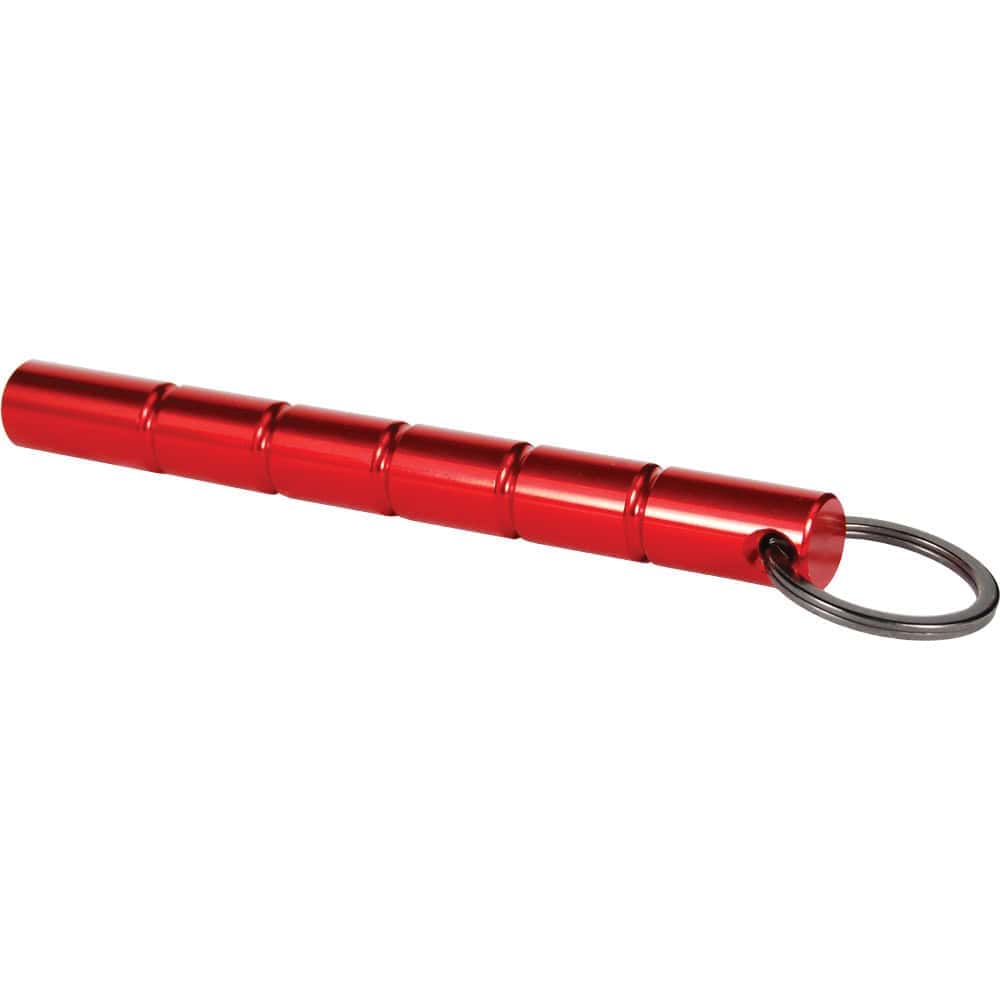
The Kubotan is a 5.5-inch aluminum rod you carry on your keychain. It adds concentrated striking force to open-hand techniques — pressure point applications, grip breaks, and focused impact strikes — without adding meaningful weight or bulk to keys you already carry. This version is made from aircraft-grade aluminum, which keeps it light while giving it the structural integrity to take real use.
- Aircraft-grade aluminum construction — strong, lightweight, and corrosion-resistant
- Dimensions: 5.5″ x 0.5″ — standard Kubotan sizing for hand-filling grip
- Weighs 0.17 lbs — adds virtually nothing to keychain carry weight
- Keyring included for immediate attachment to existing keys
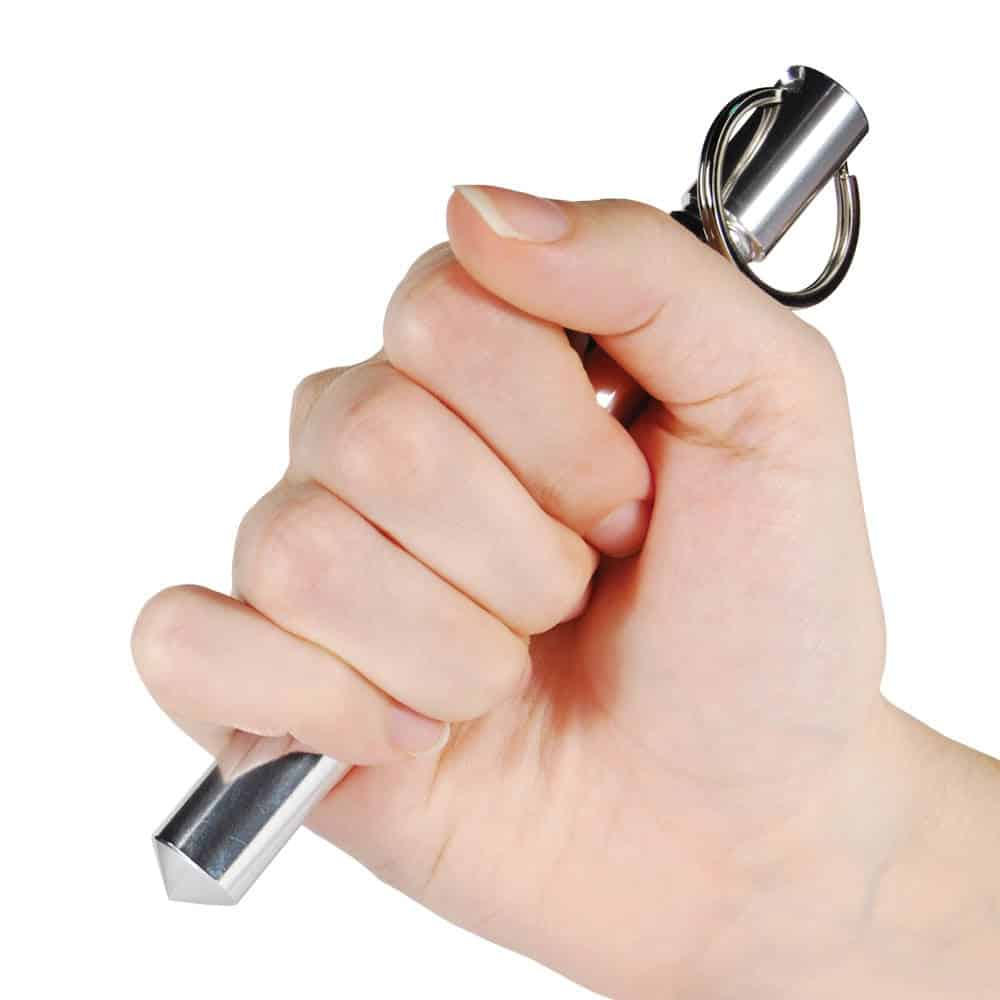
- Available in Black, Red, and Silver
A Tool That’s Been Around for Good Reason
The Kubotan was developed by Takayuki Kubota in the 1970s as a training tool for law enforcement — specifically for Japanese police officers. The concept is straightforward: a short, rigid rod held in the fist concentrates striking force onto a smaller contact area, amplifying the effect of strikes and enabling pressure point manipulation that requires a focused point of contact. It’s been a standard personal defense tool for over five decades because the mechanics are sound and the form factor is genuinely practical.
Aircraft-grade aluminum — typically 6061 alloy — provides the hardness needed for effective impact work at roughly one-third the weight of steel. At 0.17 lbs, this Kubotan adds negligible weight to a keychain.
Who This Kubotan Is For
Anyone who wants a self-defense tool that carries passively — attached to keys you already have — without the legal complexity of edged tools or the bulk of a stun gun. The Kubotan is legal in most U.S. jurisdictions as a keychain accessory, though some restrictions apply and it’s worth verifying locally.
People with some hand-to-hand training who want to extend the effectiveness of existing techniques. The Kubotan isn’t a standalone system — it amplifies what you already know. Martial arts practitioners, law enforcement professionals, and civilians who’ve taken self-defense courses will get the most from it. Beginners benefit from the focused-strike application even without formal training, though a basic course on pressure point locations and grip technique is a worthwhile investment.
Is This the Right Choice for You?
Choose the Kubotan if you want:
- A self-defense tool that attaches to keys you already carry — no extra pocket needed
- A legal, non-lethal option suitable for most jurisdictions
- A durable impact tool that requires no battery, charge, or maintenance
Consider something else if you need:
- A ranged or standoff defensive option — the Kubotan is contact-only
- A tool effective without any self-defense training or technique
How It Works and What It Does
The Kubotan works on two principles. First, concentrated impact: a fist strike spreads force across several square inches of contact surface. A strike with a Kubotan channels the same force through roughly half a square inch at the tip — the smaller contact area increases pressure significantly, making strikes to nerve clusters, joints, and bony structures more effective with the same input force.
Second, grip reinforcement: holding the Kubotan in a closed fist supports the thumb and index finger and prevents your hand from collapsing under impact. This makes closed-hand strikes more structurally sound and reduces the risk of hand injury on a firm target.
Aircraft-grade aluminum handles both applications without the weight penalty of steel. The 5.5″ length fills most adult hands from base of palm to knuckles, with enough extension to use the tip effectively. The 0.5″ diameter is the standard for Kubotan design — narrow enough to grip tightly, wide enough to prevent the tool from rolling in the hand.
Quick Comparison: How Does the Kubotan Stack Up?
| Feature | Kubotan | Tactical Pen | Personal Alarm | Pepper Spray | Keychain Stun Gun |
|---|---|---|---|---|---|
| Carry Method | Keychain ✓ | Pocket clip ✓ | Keychain / clip ✓ | Keychain / pocket | Keychain |
| Requires Charge/Battery | No ✓ | No ✓ | Yes | No ✓ | Yes |
| Contact Required | Yes | Yes | No ✓ | No ✓ | Yes |
| Training Benefit | High ✓ | Moderate | Low | Low | Low |
| Legal Broadly | Generally yes ✓ | Generally yes ✓ | Yes ✓ | Varies | Varies |
| Best For | Trained close-contact defense | Discreet carry + writing | Attention-drawing, no contact | Distance deterrence | Close-range shock |
Practical Details
Dimensions: 5.5″ x 0.5″. Weight: 0.17 lbs. Material: aircraft-grade aluminum. Included: keyring for attachment to existing keys. Available in Black, Red, and Silver. No battery or maintenance required. Inspect periodically for surface damage that could compromise grip or structural integrity. Legal status varies by jurisdiction — confirm local regulations before carry, particularly in states that classify kubotans under restricted weapons statutes.
The Kubotan earns its place on a keychain because it’s always there, requires no power, and works within the physical principles of impact mechanics that have been applied in law enforcement training for over 50 years.
Frequently Asked Questions
Do I need martial arts training to use a Kubotan effectively?
Formal training isn’t required, but it significantly improves effectiveness. The basic focused-strike application — using the tip to drive into a pressure point or bony surface — can be applied with minimal instruction. However, understanding pressure point locations and effective strike angles comes from training, not instinct. Even a single self-defense seminar covering Kubotan use will dramatically improve your practical capability with this tool. Many martial arts schools and self-defense instructors offer targeted Kubotan clinics.
Is it legal to carry a Kubotan?
In most U.S. states, Kubotans are legal to carry as keychain accessories. However, some states and municipalities classify them under restricted weapons statutes — California, for example, has had restrictions on Kubotans in certain contexts. Airport carry is not permitted through TSA security. Always check your specific state and local laws before carry. The keychain design means most people carry one without incident, but knowing the legal status in your area is the responsible approach.
Why aircraft-grade aluminum over steel or plastic?
Aircraft-grade aluminum — typically 6061 alloy — delivers roughly 40,000 PSI tensile strength at about one-third the weight of steel. For a Kubotan, that means it handles real impact use without bending or cracking, while keeping keychain carry weight negligible. Steel is stronger but meaningfully heavier for daily carry. Plastic is lighter but lacks the structural hardness needed for effective impact applications. Aluminum hits the practical midpoint for a tool in this form factor.
How do I attach it to my keychain?
The included keyring connects through the hole at one end of the Kubotan — the same hole you’d use to attach any keyring accessory. Thread your existing key ring through it, or use it as a separate ring for the Kubotan alone. Most users attach it to a dedicated smaller ring separate from their main key cluster, which keeps it accessible without the bulk of all keys together. The ring is standard hardware that can be replaced with a split ring, carabiner clip, or any comparable attachment.
| Material | Aircraft Aluminum |
|---|---|
| Included | Keyring |
| Weight | 0.17 lbs |
| Dimensions | 5.5" x 0.5" |
Additional information
Related products
-

Safety Technology 2-Piece Throwing Knife Set Black/Gold BioHazard – 9-Inch 440 Stainless Steel, Balanced for Beginners to Intermediate, Includes Nylon Sheath Pouch
$15.95 Add to cart -

Streetwise Heavy Duty Automatic Knife with Solid Handle – 3.5″ Blade, 8″ Overall, Stainless Steel, Safety Lock, Black, 4.5″ Closed Length
$18.95 Add to cart -

Safety Technology 3-Piece Throwing Knife Set Assorted Colors Black Blue Red – 6.5-Inch 440 Stainless Steel, Beginner to Intermediate, Includes Nylon Sheath Pouch
$15.95 Add to cart -

Safety Technology Credit Card Foldable Knife – 2.75-Inch Blade, Blade-Lock, 440 Steel, Wallet-Size, 3.38″ x 2.13″ Folded, 0.1 lbs, Discreet Everyday Carry
$4.95 Add to cart

Reviews
There are no reviews yet.