


Safety Technology Door Stop Alarm 120dB – Blocks Door Entry, Movement Tamper Sensor, Low Battery Indicator, 9V Battery, 6.38″ x 1.75″
$7.95
Buy with Confidence
Covered by a 30-Day Money Back Guarantee. If it's not right for you, returns are easy and hassle-free.

Secure checkout • 100% Satisfaction Guaranteed • 30 Day Money Back Guarantee • Easy Returns • Fast Customer Support
A door stop alarm does two things at once: it physically resists the door opening and triggers a 120dB siren the moment someone tries to push through. No installation, no tools, no wiring — just wedge it under the door and flip the switch.
- 120dB alarm activates when pressure is applied to the door stop plate
- Built-in movement sensor triggers the alarm if the unit is tampered with
- Alarm stops automatically when pressure is released — no manual reset needed
- On/off switch with low battery indicator light on the back of the unit
- Runs on one 9-volt battery (not included); measures 6 3/8″ x 1 3/4″, weighs 0.5 lbs
Two Lines of Defense in One Wedge
Most door alarms are passive — they detect a breach and make noise. This one is active. The wedge itself creates physical resistance against the door, buying you extra seconds while the 120dB siren draws attention. That combination matters in hotel rooms, dorm rooms, and rentals where you can’t install hardware or rely on the building’s security systems.
The movement tamper sensor adds a second layer: if someone tries to quietly slide the alarm out of the way before forcing the door, the siren fires. The alarm only stops when pressure is released from the plate — no fumbling with a reset button in the dark.
Who This Door Stop Alarm Is For
Travelers who stay in hotels, Airbnbs, or motels where door security is inconsistent. The alarm is compact enough to fit in a carry-on and sets up in under 30 seconds on any hard floor surface.
College students in dorms or off-campus apartments where locks are shared and maintenance has master keys. Renters who want a security layer they can take with them when they move. Anyone who wants a no-installation option that works the first night.
Is This the Right Choice for You?
Choose this door stop alarm if you want:
- A portable door security solution that requires zero installation
- Combined physical resistance and audible alarm in one device
- A tamper sensor that sounds the alarm if the unit is moved or nudged
- Simple on/off operation with a low battery warning light
Consider something else if you need:
- A permanent door alarm wired into a broader home security system
- Coverage for multiple entry points simultaneously from a single device
How It Works
Place the wedge on the floor with the rubber grip side down, slide it snugly under the door, and switch it on. The pressure plate at the top of the wedge is spring-loaded — when the door is pushed inward, it compresses the plate and triggers the siren. The 120dB output is loud enough to be heard clearly through walls and down hallways, which is exactly the point.
The tamper sensor runs independently of the pressure plate. It detects movement of the unit itself, so a slow, deliberate attempt to remove the wedge before forcing the door still activates the alarm. The low battery indicator light on the back of the unit tells you when the 9-volt needs replacing before it becomes a problem.
Quick Comparison: How Does This Door Stop Alarm Stack Up?
| Feature | Door Stop Alarm | Window/Door Sensor Alarm | Motion Sensor Alarm | Barking Dog Alarm |
|---|---|---|---|---|
| Physical barrier | Yes ✓ | No | No | No |
| Audible alarm | 120dB ✓ | Varies | Varies | Bark + siren ✓ |
| Installation required | None ✓ | Adhesive mount | Adhesive/screw | Plug-in |
| Tamper sensor | Yes ✓ | No | No | No |
| Travel-friendly | Yes ✓ | Sometimes | Rarely | No |
| Best For | Hotels, dorms, rentals | Permanent home use | Room perimeters | Home deterrence |
Practical Details
Dimensions: 6 3/8″ x 1 3/4″. Weight: 0.5 lbs. Power: one 9-volt battery (not included). Works on hard floors and low-pile carpet. On/off switch and low battery indicator on the back panel. No tools or mounting hardware needed. Manufactured by Safety Technology.
Wedge it under the door, switch it on — that’s the entire setup. Whether you’re in a hotel room for one night or a rental for a year, this alarm works immediately and goes with you when you leave.
Frequently Asked Questions
Does the door stop alarm work on carpet?
It works best on hard flooring — tile, hardwood, and laminate — where the rubber grip can make solid contact. On low-pile carpet it will still function, but the grip is less secure and the physical resistance may be reduced. On thick carpet, the wedge may not make reliable contact with the door bottom, which could affect sensitivity.
How loud is 120dB and will it actually wake me up?
120dB is roughly equivalent to a car horn at close range or a live rock concert. At that volume level, it will wake most people from deep sleep and is audible through standard interior walls. The siren is designed to be disorienting and attention-getting, not just noticeable.
Will it work on doors that don’t have a gap at the bottom?
The alarm requires a gap between the door bottom and the floor to function as a physical wedge. Most standard interior and exterior doors have this gap. Doors with heavy-duty draft seals or very tight thresholds may not provide enough clearance for the unit to slide under and make contact.
Can someone disarm it quietly from the other side of the door?
No. The unit sits entirely on your side of the door. The tamper movement sensor means any attempt to slide it out of position — even slowly — triggers the alarm. The only way to disarm it is to flip the on/off switch on the back, which requires physical access to your side of the door.
| Manufacturer | Safety Technology |
|---|---|
| Decibles | 120 db |
| Battery | One 9 Volt |
| Weight | 0.5 lbs |
| Dimensions | 6 3/8" x 1 ¾” |
Additional information
Related products
-

Book Diversion Safe – Realistic Hardcover Hidden Safe, 7¾” x 4″ x 1″ Interior, Stores Jewelry, Cash & Small Valuables, Bookshelf Concealment, 1.33 lbs
$15.95 Add to cart -

Dummy Dome Security Camera with Flashing LED Light – Black ABS Housing, Motion-Detection LED, Wall Mount Hardware Included, 2 AA Battery Operated
$5.99 Add to cart -
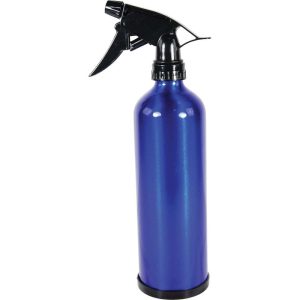
Spray Bottle Diversion Safe – Hidden Compartment Household Safe, 1.75″ x 5.25″ Interior, Realistic Spray Bottle Design, Conceals Jewelry, Keys & Emergency Cash at Home
$34.95 Add to cart -

Coffee Can Diversion Safe – Screw-Off Bottom, 2.875″ x 3.5″ Hidden Compartment, Realistic Coffee Canister Design for Kitchen Storage
$39.95 Add to cart

Reviews
There are no reviews yet.