
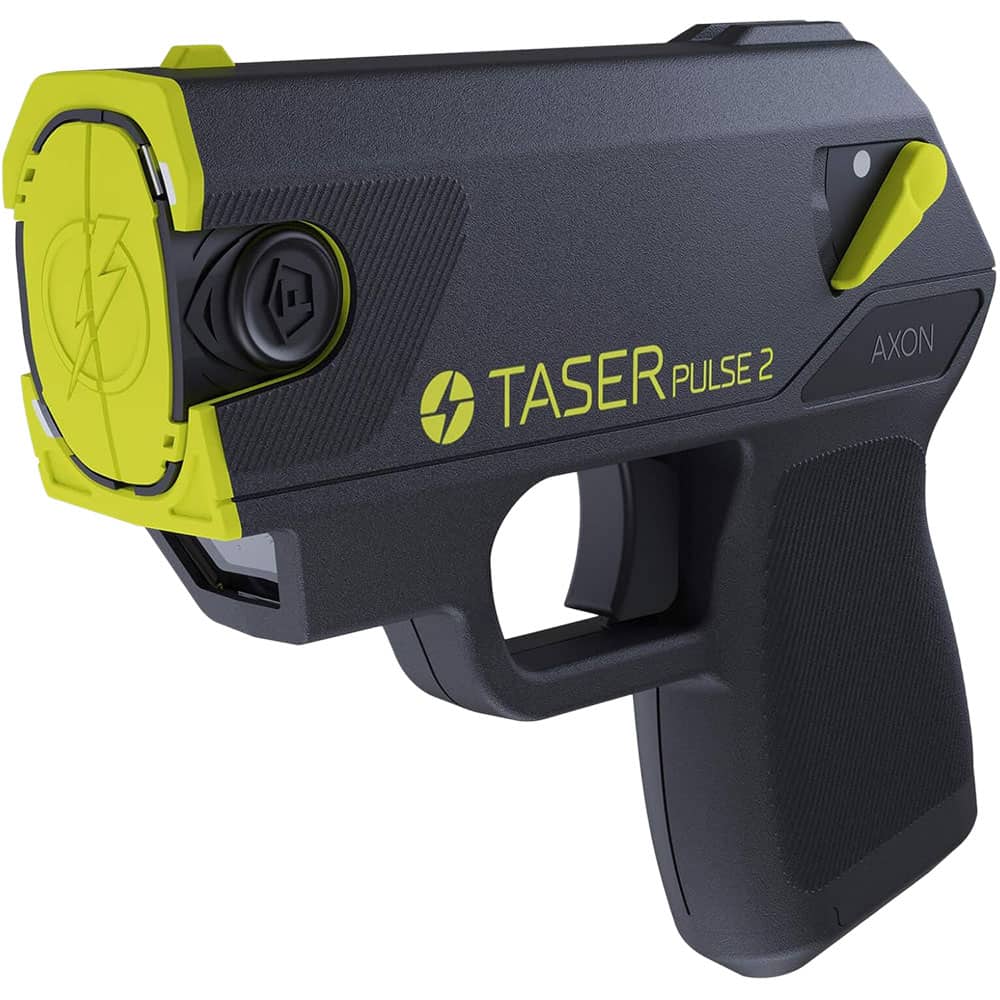
TASER Pulse 2 Conducted Energy Weapon 50,000V – 15-Foot Range, 30-Second Incapacitation, Built-In Laser Sight, LED Flashlight, Rechargeable Lithium Battery, Safe Escape Guarantee, 2.3 lbs
$399.99
Buy with Confidence
Covered by a 30-Day Money Back Guarantee. If it's not right for you, returns are easy and hassle-free.

Secure checkout • 100% Satisfaction Guaranteed • 30 Day Money Back Guarantee • Easy Returns • Fast Customer Support
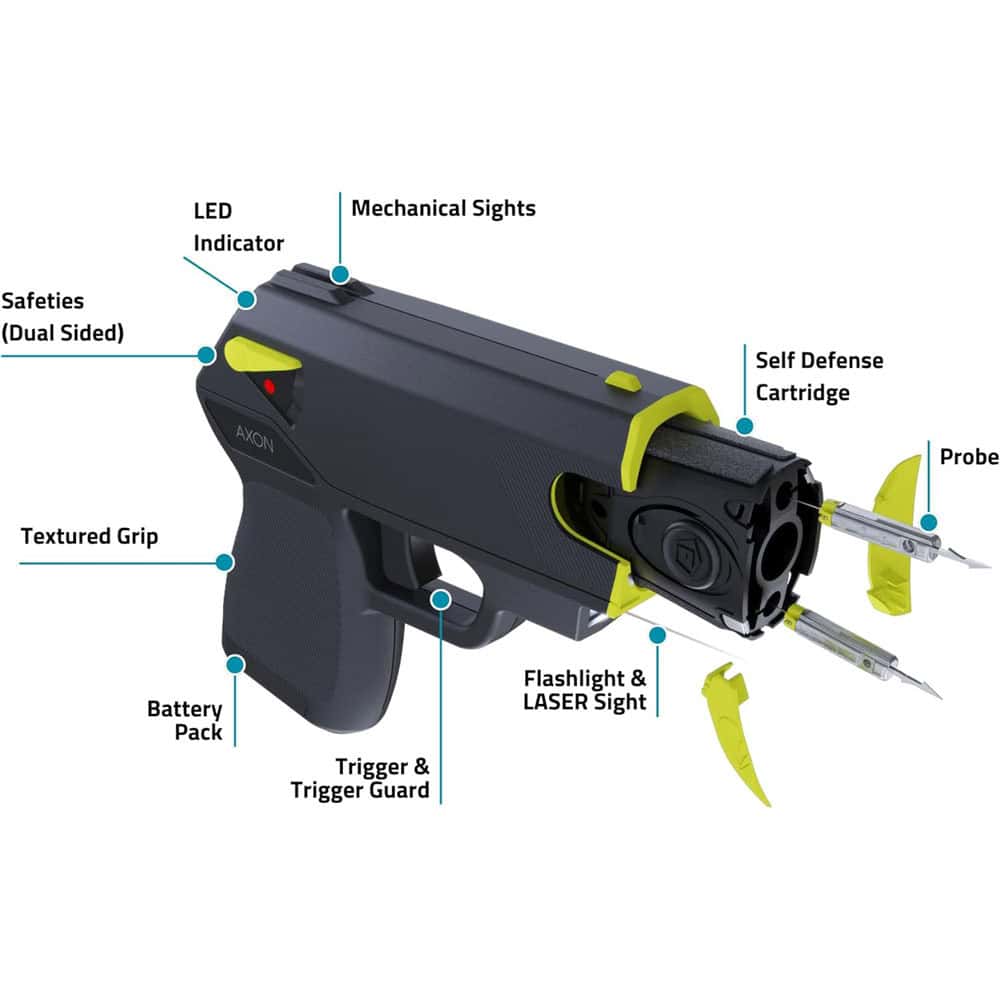
The TASER Pulse 2 fires two barbed probes up to 15 feet and delivers 30 seconds of neuromuscular incapacitation — enough time to disengage and call for help. It’s a civilian-grade conducted energy weapon with the same core technology used by law enforcement, packaged in a lightweight, concealable form.
- Fires two probes up to 15 feet; delivers neuromuscular incapacitation that temporarily overrides muscle control
- 30-second incapacitation cycle gives you time to get away and call for help
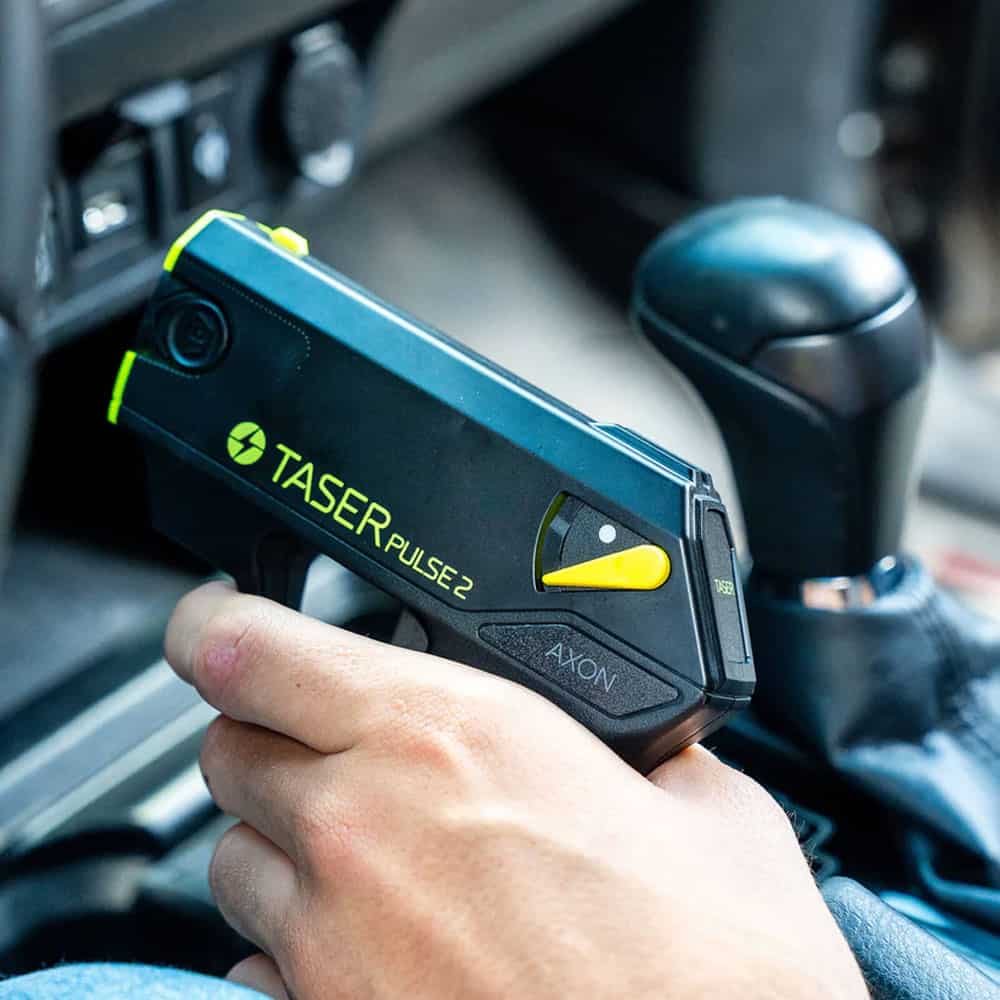
- Built-in laser sight and LED flashlight for accurate targeting in low-light conditions
- Backup contact stun capability for close-range defense if probes miss or deployment isn’t possible
- Safe Escape Guarantee: if you use it in self-defense and leave it behind, TASER replaces it free
What Sets the TASER Pulse 2 Apart from Standard Stun Guns
The fundamental difference between a TASER and a standard stun gun is range. A stun gun requires contact. The TASER Pulse 2 fires probes from up to 15 feet away, which means you can stop a threat before it reaches you. That distance is a meaningful tactical advantage that contact-based devices simply can’t provide.
The 30-second incapacitation cycle is also significantly longer than what most stun guns deliver. That window gives you time to move, call for help, and put distance between yourself and the threat. The device manages the cycle automatically — once fired, you don’t have to hold it on the target.
Who the TASER Pulse 2 Is For
People who want maximum stopping power without a firearm. The Pulse 2 delivers genuine neuromuscular incapacitation — not just pain compliance — and works regardless of pain tolerance or substance impairment, which is a meaningful difference in a real defensive situation.
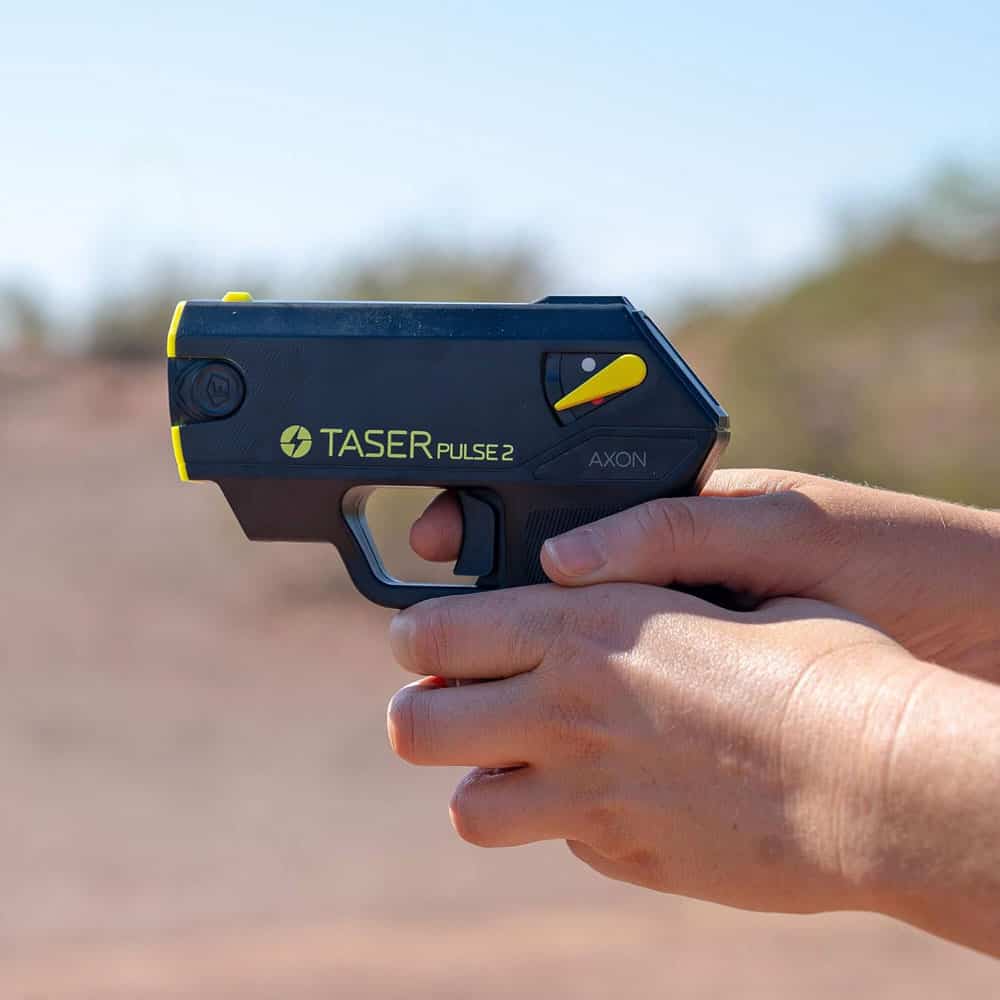
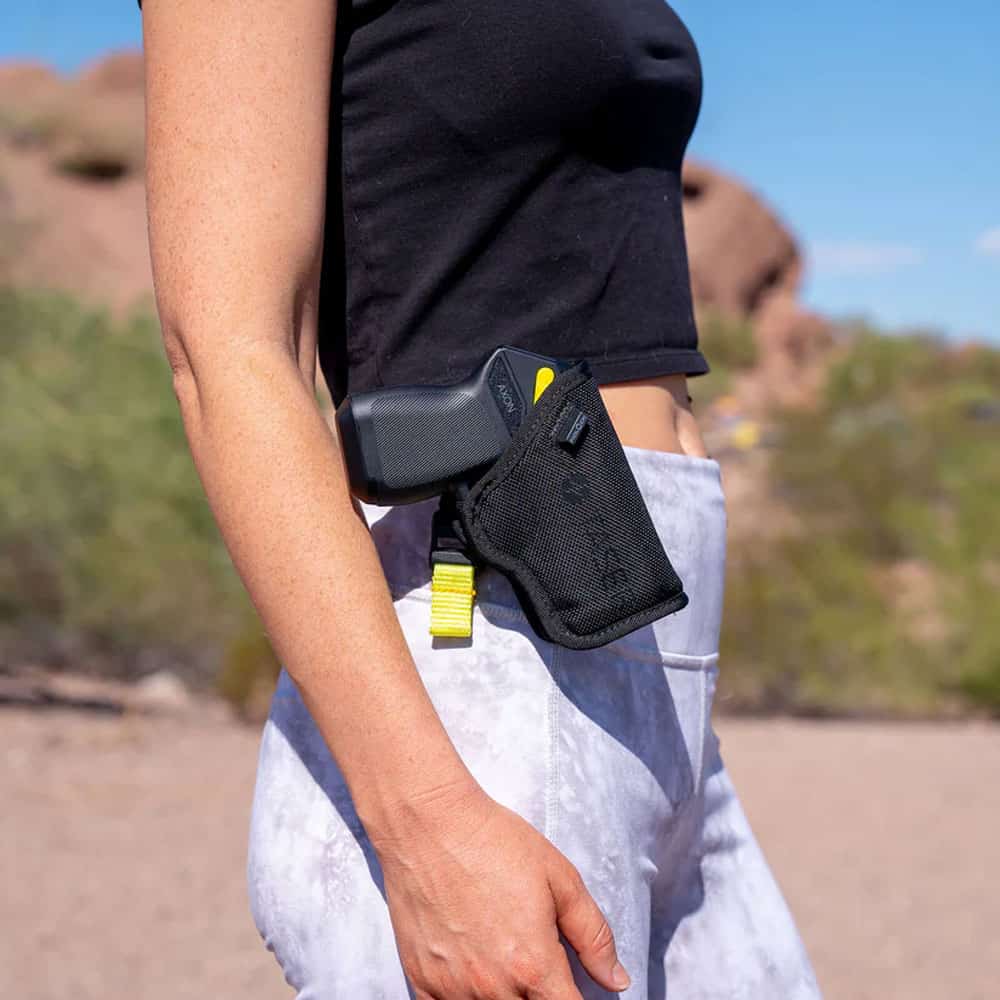
It’s designed for civilian concealed carry. At 2.3 lbs with a low-profile shape, it works in a holster, a bag, or a vehicle console. The rechargeable lithium battery with a status indicator makes it practical for everyday readiness, not just occasional emergency use. Legal to own in most U.S. states — verify local regulations before purchasing.
Is This the Right Choice for You?
Choose the TASER Pulse 2 if you want:
- 15-foot standoff distance — stop a threat before it reaches you
- True neuromuscular incapacitation that works regardless of pain tolerance
- A 30-second cycle that gives you time to disengage without holding the device on target
- Built-in laser and flashlight for low-light accuracy
Consider something else if you need:
- A lower price point — pepper spray and stun guns provide defense at significantly lower cost
- A device legal in all jurisdictions — TASER devices have additional restrictions in some states and cities
Features That Matter in a Defensive Situation
The built-in laser sight makes accurate probe placement faster and more intuitive under stress — you aim at what the dot is on, not what the sights line up to. The LED flashlight serves both as a targeting aid in low light and as a tool for identifying a threat before deploying. In a dark parking garage or hallway, that matters.
The backup contact stun feature means the device remains useful even if the probe cartridge has already been fired or deployment isn’t possible at range. The soft-touch polymer finish provides grip under stress, and the battery status indicator tells you the device is ready before you need to depend on it.
The Safe Escape Guarantee is notable: if you deploy the Pulse 2 in a genuine self-defense situation and leave it at the scene — which is common — TASER replaces it at no charge. That policy reflects how the device is actually used in practice.
Quick Comparison: How Does the TASER Pulse 2 Stack Up?
| Feature | TASER Pulse 2 | Standard Stun Gun | Pepper Spray | Stun Baton |
|---|---|---|---|---|
| Range | 15 feet ✓ | Contact only | 10-12 feet | Contact only |
| Incapacitation type | Neuromuscular ✓ | Pain compliance | Sensory/inflammatory | Pain compliance |
| Works on impaired attacker | Yes ✓ | Reduced effectiveness | Reduced effectiveness | Reduced effectiveness |
| Incapacitation duration | 30 seconds ✓ | While contact held | Minutes (variable) | While contact held |
| Laser + flashlight | Yes ✓ | Some models | No | Some models |
| Best For | Maximum stopping power at range | Close-range backup | Portable everyday carry | Extended reach defense |
Practical Details
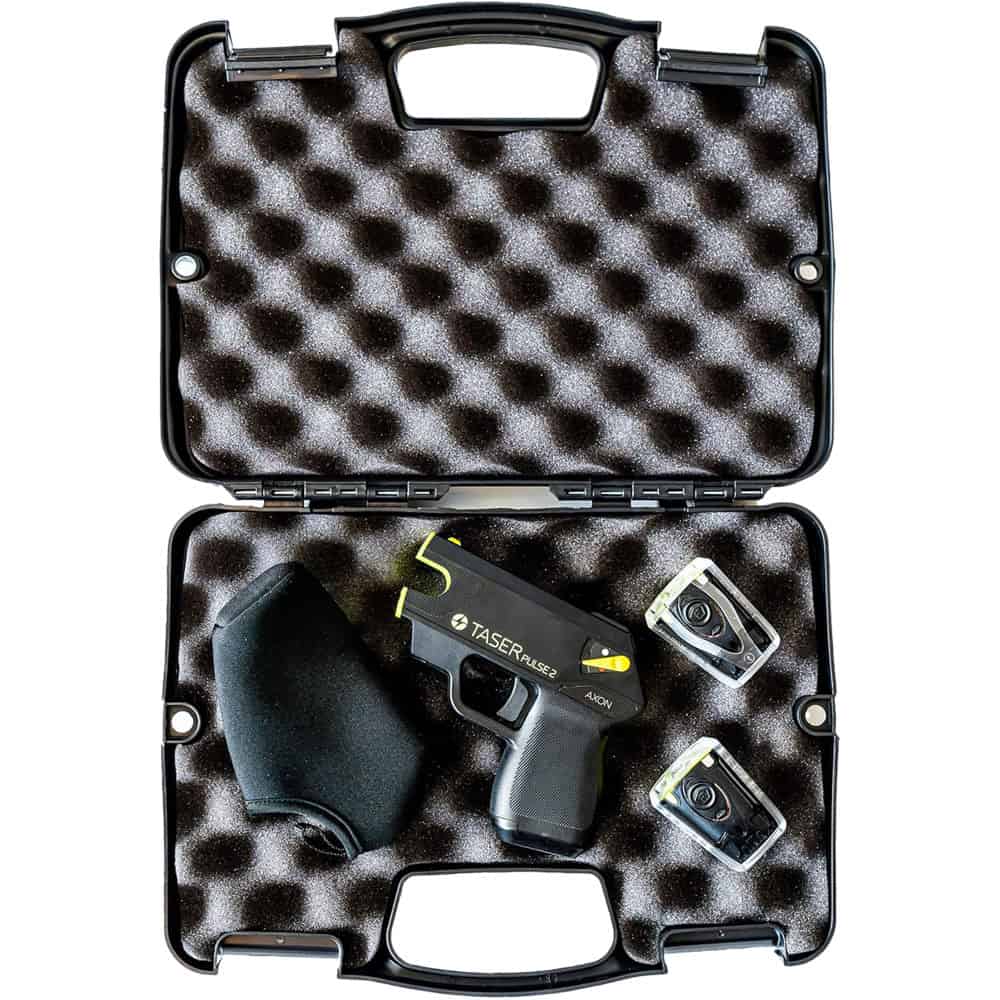
Voltage: 50,000V. Range: 15 feet. Weight: 2.3 lbs. Dimensions: 5.25″ x 1.25″ x 4.75″. Battery: replaceable rechargeable lithium with status indicator. Finish: soft-touch polymer. Color: Black and Yellow. Includes: 2 replacement cartridges, battery meter, carrying case, conductive practice target, replaceable lithium battery, soft sleeve holster. Warranty: 1 year. Manufactured by TASER.
The Pulse 2 provides standoff distance, automatic 30-second incapacitation, and a replacement guarantee if you ever actually use it — that’s a complete defensive package in a concealable form.
Frequently Asked Questions
How does neuromuscular incapacitation differ from a standard stun gun shock?
A standard stun gun causes pain through electrical stimulation, which relies on the target’s pain response. Someone with high pain tolerance, under significant adrenaline, or impaired by substances may push through it. Neuromuscular incapacitation — what the TASER delivers — directly disrupts the body’s ability to control muscle movement, regardless of pain tolerance. The muscles simply don’t respond to voluntary commands during the cycle.
What happens after the 30-second cycle ends?
The target regains muscle control when the cycle ends. The 30-second window is designed to give you time to disengage, create distance, and call for help — not to permanently incapacitate. Most defensive situations don’t require more than a few seconds of that window. If the threat continues after the cycle, the backup contact stun provides an additional option.
Is the TASER Pulse 2 legal to own?
The Pulse 2 is legal for civilian purchase and carry in most U.S. states. However, some states, counties, and cities have specific restrictions or require permits. Hawaii, Rhode Island, and certain municipalities in other states have additional regulations. Always verify the current laws in your specific location before purchasing or carrying any conducted energy weapon.
What does the Safe Escape Guarantee actually cover?
If you use the TASER Pulse 2 in a legitimate self-defense situation and leave the device at the scene — which is common when law enforcement arrives and the device becomes evidence — TASER will replace the unit at no charge. You’ll need to provide a police report or other documentation of the incident. The guarantee applies to genuine defensive use, not accidental deployment or loss.
| Manufacturer | Taser |
|---|---|
| Brand | Pulse 2 |
| Voltage | 50,000 |
| Battery | Rechargeable Lithium |
| Range | 15 feet |
| Safety | Switch |
| Holster | Soft Sleeve |
| Included | 2 Replacement Cartridges, Battery Meter, Carrying Case, Conductive Practice Target, Replaceable Lithium Battery |
| Material | Polymer Plastic |
| Color | Black & Yellow |
| Warranty | 1 year |
| Weight | 2.3 lbs |
| Dimensions | 5.25" x 1.25" x 4.75" |
Additional information
Related products
-

Safety Technology Hot Shot Stun Gun Flashlight 90,000,000V – 4-Inch Compact, 100-Lumen LED, Battery Meter, 4.8mA, Rechargeable, Lifetime Warranty, Belt Holster Included
$25.00 Add to cart -

Safety Technology Cell Phone Stun Gun Rechargeable 14,000,000V – 4.7 Milliamps, 50-Lumen Flashlight, 120dB Alarm, Disable Switch, Lithium Battery, Lifetime Warranty, 5.5″ x 2.625″
$24.95 Add to cart -

Safety Technology Master Blaster Stun Gun 95,000,000V – 4.9 Milliamps, 120-Lumen LED Flashlight, Rechargeable Lithium Battery, Disable Pin & Switch Safety, Nylon Holster, Lifetime Warranty
$25.00 Add to cart -

Safety Technology Lil Guy Stun Gun with Flashlight 60,000,000V – 4.4 Milliamp, 100-Lumen LED, Rechargeable Ni-CD, Disable Pin Safety, Nylon Holster Included
Read more


Reviews
There are no reviews yet.